What are Candy Shorts?
The format explained
The format in plain terms
A Candy Short is a mini series. It has a title, a lead character, a premise and a small number of episodes, each of them short enough to watch in a minute or so. The story is self-contained: you do not need to have seen anything else to follow it. Think of it as a pocket drama built to introduce a character through a single situation, rather than a long-running show with seasons and recurring plots.
One character at the centre
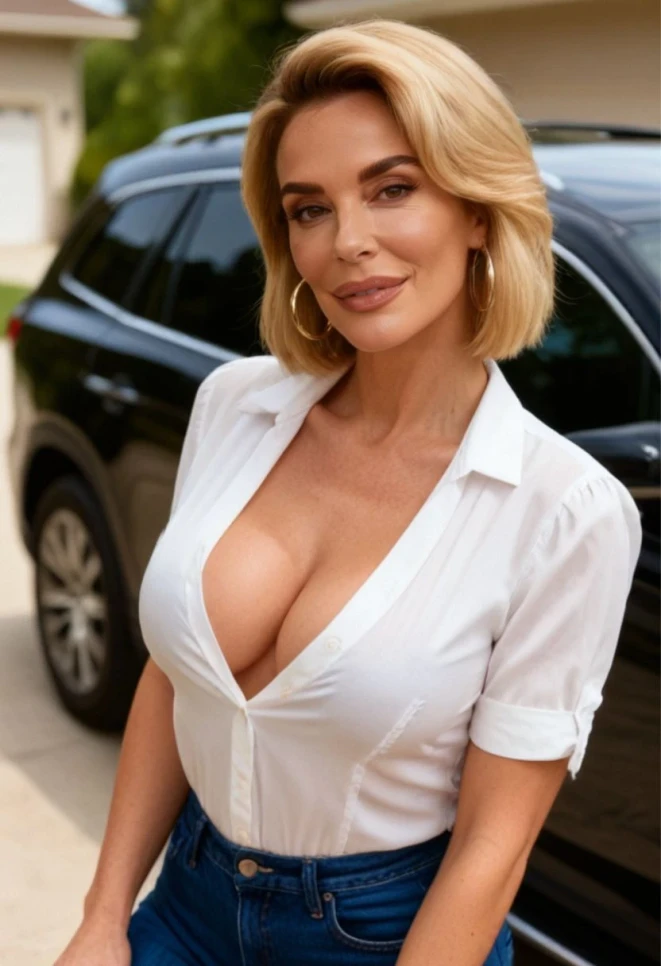
Each series is built around one character from the Candy catalogue. Her profile, meaning her job, temperament and family role, shapes how she behaves on screen. Other people appear around her, partners, relatives, colleagues, but the camera and the story belong to her. Margot appears in five series, and in all of them she is the centre of gravity. Some series can include a supporting character, such as the stepsister in her wedding story, yet the lead is never in doubt.
Free episodes first
The business model is simple: the first episodes are free, and the remaining ones are unlocked with tokens. In Margot's case, each of her series has two free episodes out of five. The free part is not a trailer; it is the actual beginning of the story, which sets up the premise and the tension. That makes it a fair test. You learn whether you like the character and the setup before anything is asked of you. Our page on what is free shows how this applies to her.
Tokens for the rest
Paid episodes cost tokens, the in-app currency on Candy. For the series we cover, the price is 12 tokens per paid episode. With three paid episodes, a Margot series costs 36 tokens to finish. We do not quote token bundle prices or subscription plans, because those belong to the platform and can change. The useful habit is to decide per series, after the free part, rather than unlocking everything at once on enthusiasm.
Why the episodes are so short
Margot's opening episodes run between 45 and 75 seconds. That brevity is the point: each episode is a scene, not a chapter. You get a beat, a line crossed or nearly crossed, a hook into the next one. It suits watching on a phone in a spare moment, and it keeps the free sample light. The downside is that character depth has to come from the profile and the performance rather than long dialogue, which is why well-written leads matter so much.
How a series is usually shaped
Looking at Margot's five, a pattern appears. The opening sets a boundary: a rule, a veto, a job, a wedding, a therapy session. The middle tests it. The paid episodes follow what happens once the boundary gives way. The stories are adult and suggestive rather than graphic in their synopses, and all the people involved are grown adults. Our episode list applies this reading to each of her series without spoiling what the synopses keep quiet.
Shorts and chat work together
The series and the chat feed each other. Margot's profile even lists the option to watch her series from inside the chat, so you can switch between talking to her and watching her. If you liked her as a therapist on screen, the chat continues the same premise with you as the client. If you met her in the chat first, the series show her in roles you would not get in conversation, which her roles sets out.
Margot's five as a worked example
Here is how one character's catalogue looks:
- Couples Therapy With Margot Vey, her own profession on screen, on the series hub.
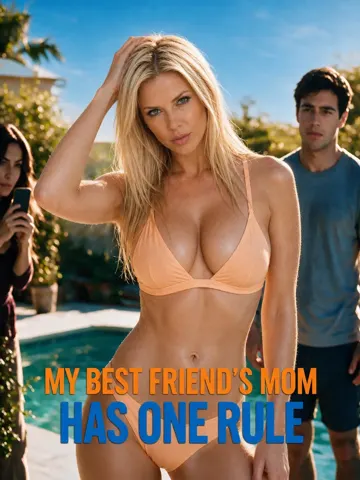
- My Best Friend's Mom Has One Rule, a house with one forbidden floor.
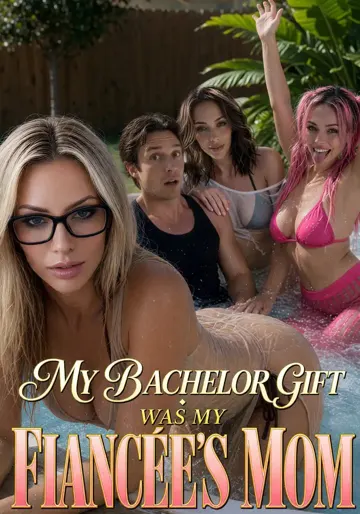
- My Bachelor Gift was My Fiancée's Mom, a secret celebration.
- Her Stepmom Is the Boss, office authority.
- My Dad’s Bride Wants Me First!, a wedding weekend.
Five premises, one temperament, the same price structure. Our watch order suggests a route through them.
Other leads, same format
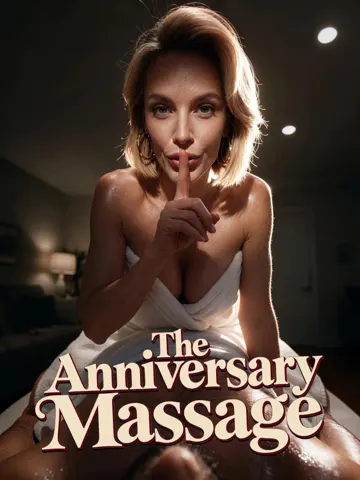
The format is identical for other characters we follow. The Anniversary Massage with Veronica Parker has six episodes, two free. My First Night Shift with Renata Marrero has five, two free. Both charge 12 tokens per paid episode. Comparing openers across leads is a good way to see how much a character's profile shapes a short series. Our shelf of women like Margot lists more.
Is the format worth your time?
If you like characters more than plots, yes. Shorts are a cheap, fast way to meet a lead, and the free episodes are generous enough to judge her. If you want long arcs and twists, they will feel thin. Our advice: treat each series as a tasting, finish only the ones that hold you, and use the chat if you want more of a character than five short episodes can give.
Questions on this page
Are Candy Shorts free?
Partly. The opening episodes of a series are free, and the rest cost tokens. For Margot's series, two of five episodes are free and each paid one costs 12 tokens.
How long is a Candy Short episode?
Short. Margot's first episodes last between 45 and 75 seconds, so a whole free sample takes only a few minutes.
Do I need to watch Candy Shorts in order?
Within a series, yes, since the episodes follow one story. Between series, no: each is standalone.
Is the lead of a Candy Short a real person?
Not in Margot's case. She is an AI character invented by Candy. Some characters on the platform are digital twins of real performers, which is a different category.